What is acne, and what *really* helps against it?
Acne is an inflammatory skin reaction where pores become clogged with sebum, dead skin cells, and bacteria.
It mainly occurs on the face, back, and chest and can range from blackheads to inflamed pimples and acne scars. The right acne treatment focuses on regulating sebum, reducing inflammation, and keeping pores clear.
What is acne?
Acne (acne vulgaris) is a common skin condition where:
- Sebum production is increased
- Pores become clogged
- Bacteria cause inflammation
It often occurs during puberty, but adults can also suffer from acne skin.
What causes acne?
The main causes of acne are:
- Excessive sebum production
- Hormonal fluctuations (e.g., around the menstrual cycle)
- Clogged pores
- Bacteria (Cutibacterium acnes)
- Stress
- Incorrect skincare
Is acne hereditary?
Yes, acne can be partly genetically determined. If one of your parents had severe acne, you are more likely to develop it as well.
What is the difference between pimples and acne?
- Pimples: incidental, temporary
- Acne: recurring pattern of inflammation, blackheads, and sometimes scars
If you regularly have inflammation and multiple areas are affected (e.g., facial or back acne), we usually refer to it as acne.
How to get rid of acne quickly?
Quick results require targeted ingredients:
1. Salicylic acid (BHA): an exfoliant that works deep within the pores. Use a maximum of 2–3 times a week to prevent over-exfoliation.
- Penetrates deep into the pore
- Reduces blockages
- Ideal for blackheads and inflamed acne
2. Benzoyl peroxide
- Kills acne bacteria
- Reduces inflammation
3. Retinol / Retinal:
Preferably use from age 20, always apply in the evening and combine with SPF during the day; under 20 years old, first seek advice from a doctor or dermatologist.
- Stimulates cell renewal
- Reduces acne scars
- Helps refine pores
4. Niacinamide
- Reduces redness
- Regulates sebum
- Supports skin barrier
5. Clay masks
- Absorbs excess sebum
- Helps with clogged pores
Avoid comedogenic ingredients with active acne
When you suffer from active acne, it is advisable to temporarily avoid products with comedogenic (pore-clogging) ingredients. These ingredients can clog pores and worsen existing inflammation.
Comedogenic ingredients are often:
- Heavy, occlusive oils
- Some fatty alcohols in high concentration
- Thick, highly occlusive creams
- Products not formulated as "non-comedogenic"
For troubled skin, it is better to choose:
- Light, non-comedogenic moisturizers
- Gel or lotion textures
- Formulas specifically developed for acne skin
Introduce new products one by one
When you want to improve acne, it's important not to start multiple new products at once.
Introduce:
- One new product at a time
- Wait at least 1–2 weeks
- Observe how your skin reacts
This way, you can better identify what works and doesn't work for your skin.
A calm, stable basic routine is always more important than using many active products simultaneously.
Best acne treatment routine
Step 1 – Cleansing
Use a mild facial cleanser with salicylic acid.
Step 2 – Treatment
- BHA (salicylic acid): use as an exfoliant a maximum of 2–3 times a week to deeply cleanse pores and reduce sebum buildup.
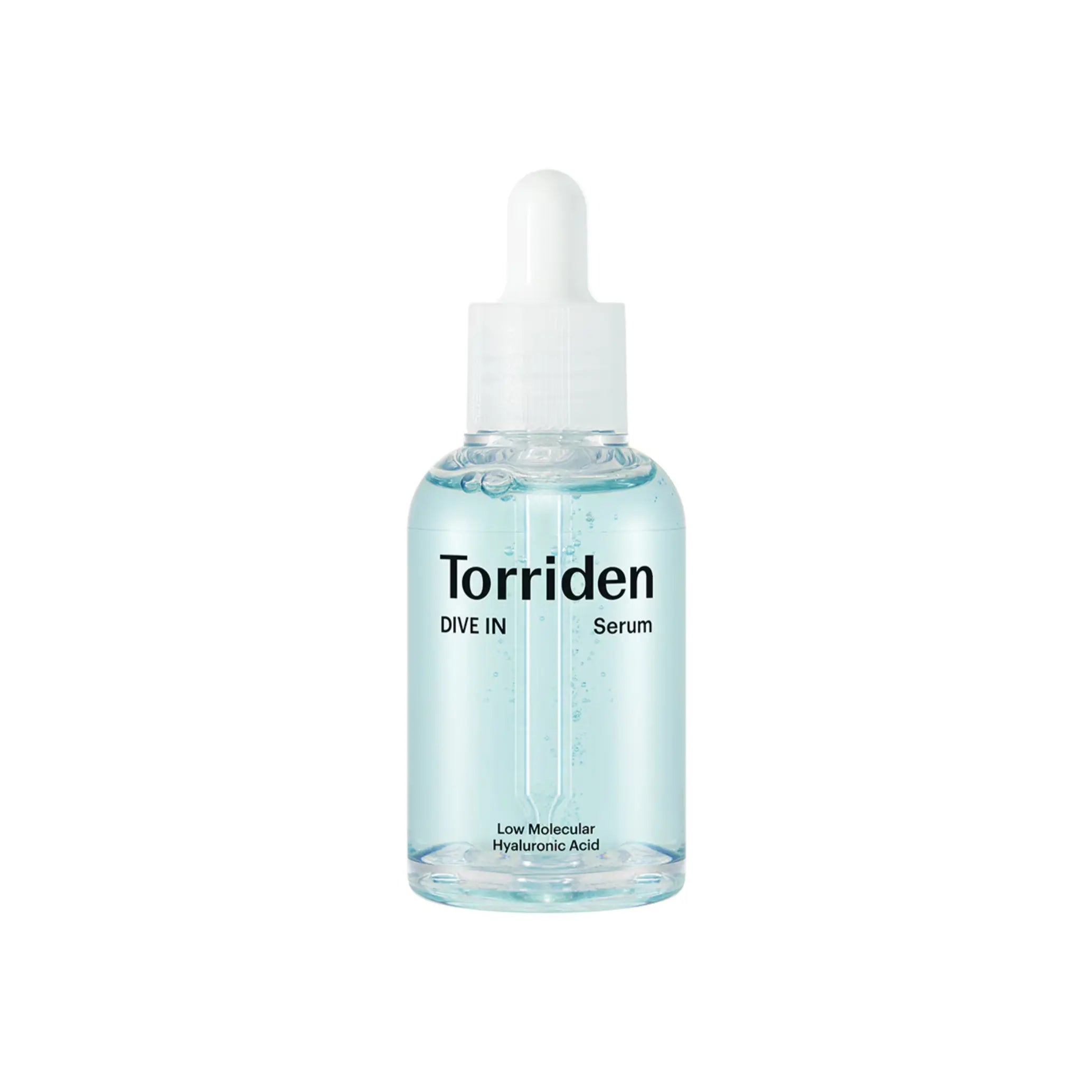
- Niacinamide serum: suitable for daily use, especially during the day, to reduce redness and support the skin barrier.
- Retinol or retinal: use in the evening to stimulate cell renewal and reduce impurities long-term. Always combine with SPF during the day.
- Acne cream (spot treatment): apply locally to an active pimple to reduce inflammation and support healing.
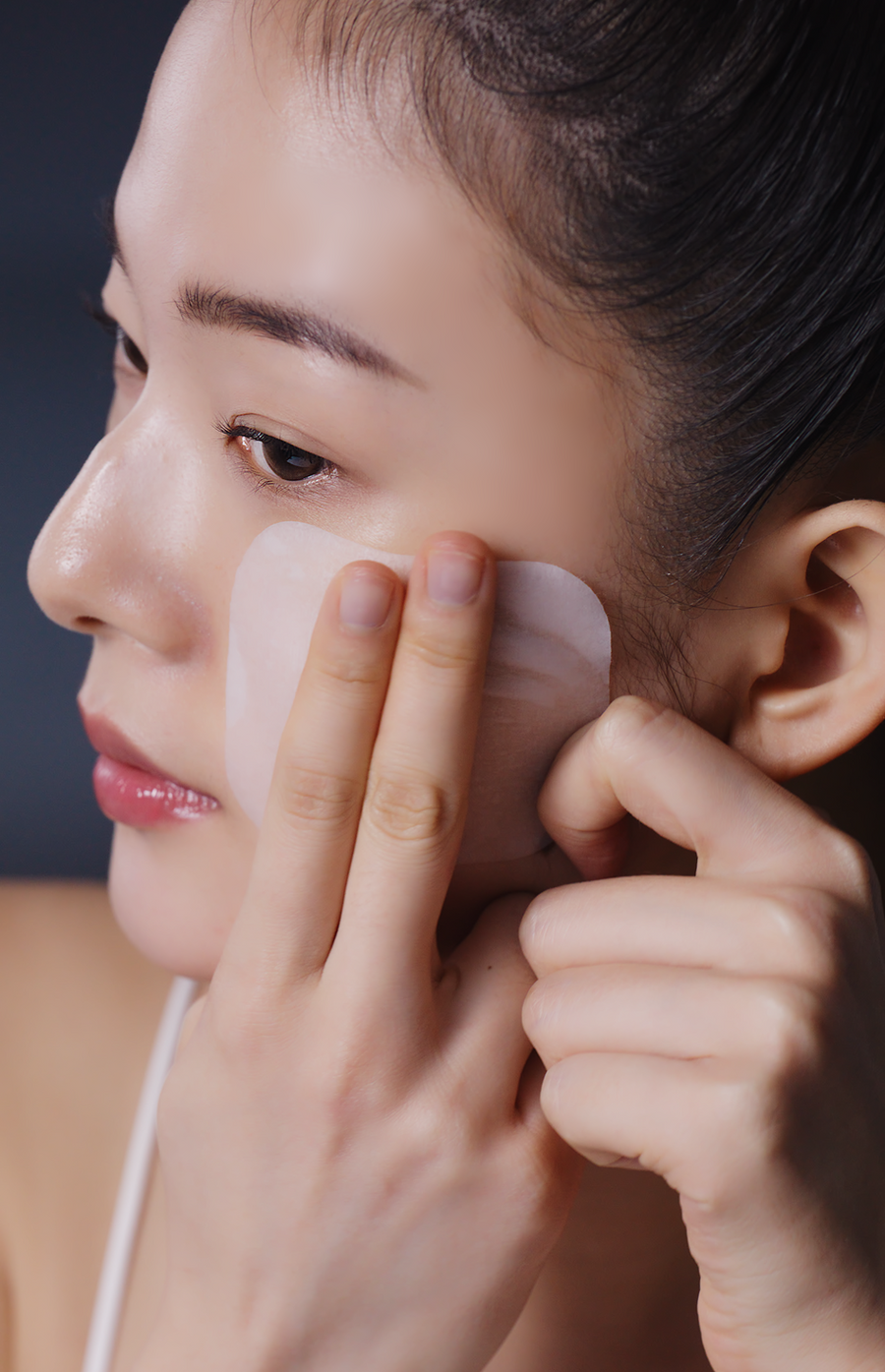
- Pimple patch: ideal for immediate, local care. Protects the pimple from bacteria and helps absorb sebum and moisture from the inflammation.
Step 3 – Hydration
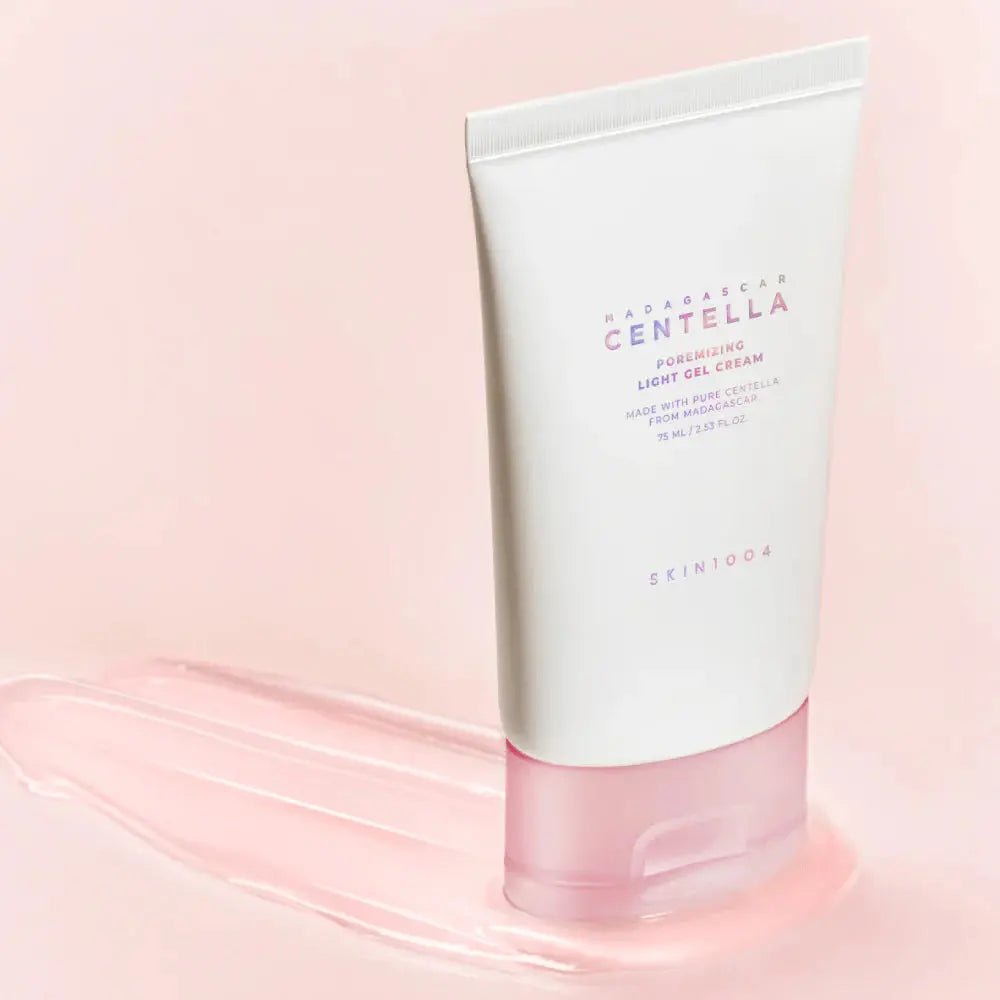
- Use a light, non-comedogenic cream
Step 4 – Sun protection
SPF is essential to prevent acne scars.
Acne and your cycle
Many women experience hormonal acne around their menstruation. This is due to fluctuations in progesterone and testosterone that increase sebum production.
Removing acne scars
Acne scars occur when inflammation deep in the skin causes damage.
Ingredients that help with acne scars:
- Retinol
- Vitamin C
- AHA: (such as glycolic acid) can help with acne scars by exfoliating the top layer of dead skin cells and stimulating cell renewal, gradually evening out superficial hyperpigmentation and uneven skin texture.
- Niacinamide
Deep scars sometimes require professional treatments such as microneedling or laser.
Acne in men and teenagers
- Teenagers: hormonal peak → increased sebum production
- Men: often thicker skin → deeper inflammation
The basics remain the same: cleanse, treat, hydrate.
FAQ – Frequently asked questions about acne
What triggers acne?
Hormones, stress, incorrect skincare, occlusive products, and genetic predisposition.
How to care for acne skin?
Cleanse gently, use active ingredients like salicylic acid or retinol, and avoid aggressive scrubs.
What helps against acne quickly?
Salicylic acid for blackheads and benzoyl peroxide for inflammation.
Is acne the same as pimples?
No. Pimples are incidental. Acne is a chronic skin condition.
What age is acne worst?
Usually between 12 and 25 years old, but adults can also suffer from hormonal acne.
What is the best acne cream?
That depends on your type of acne:
- Blackheads → BHA
- Inflamed pimples → benzoyl peroxide
- Scars → retinol or vitamin C
Summary
Acne is caused by clogged pores, excessive sebum, and inflammation. The best acne treatment combines gentle cleansing, targeted active ingredients, and protection of the skin barrier. With consistent care, you can reduce acne and help prevent scars.

Leave a comment
This site is protected by hCaptcha and the hCaptcha Privacy Policy and Terms of Service apply.